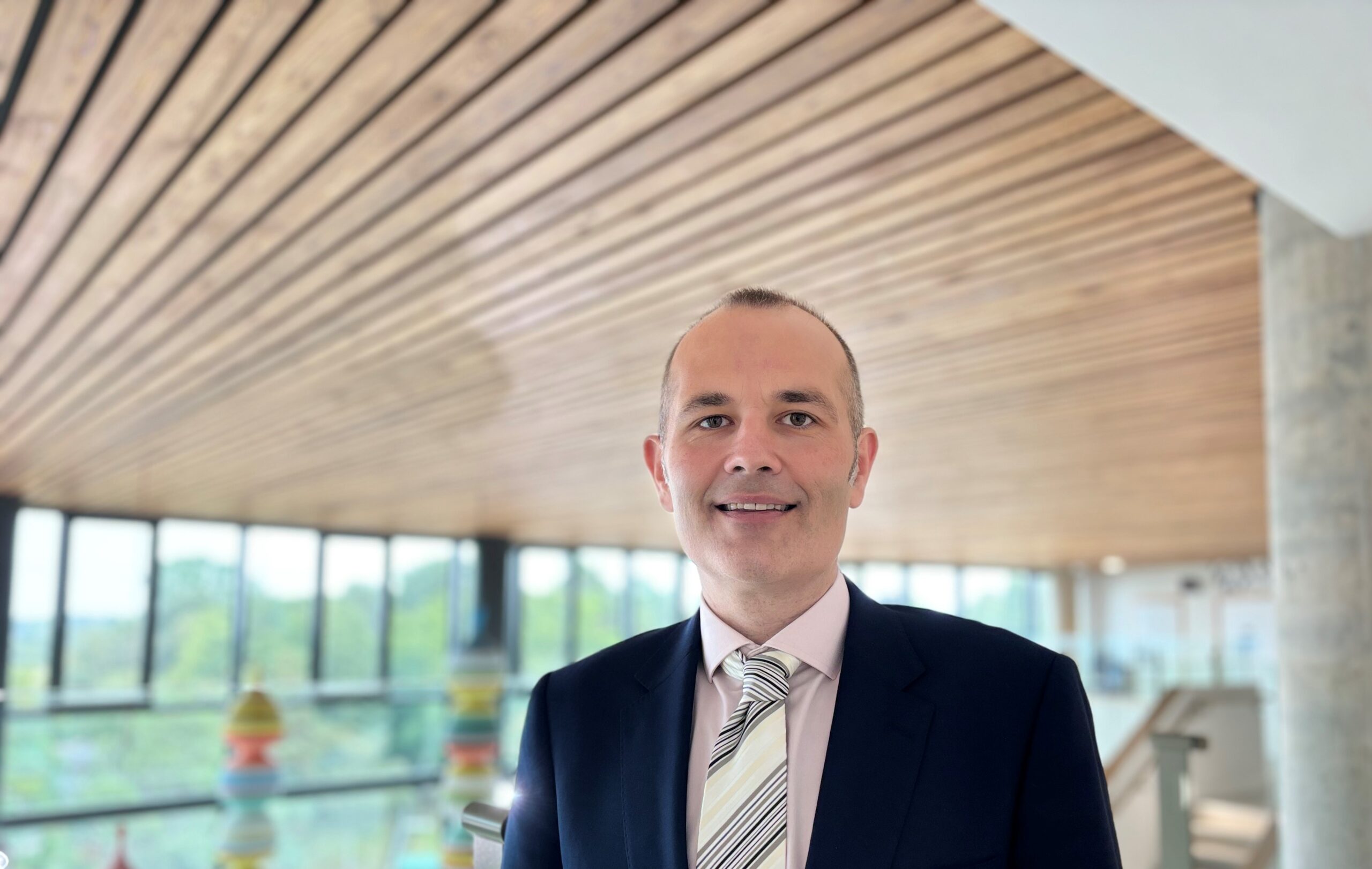
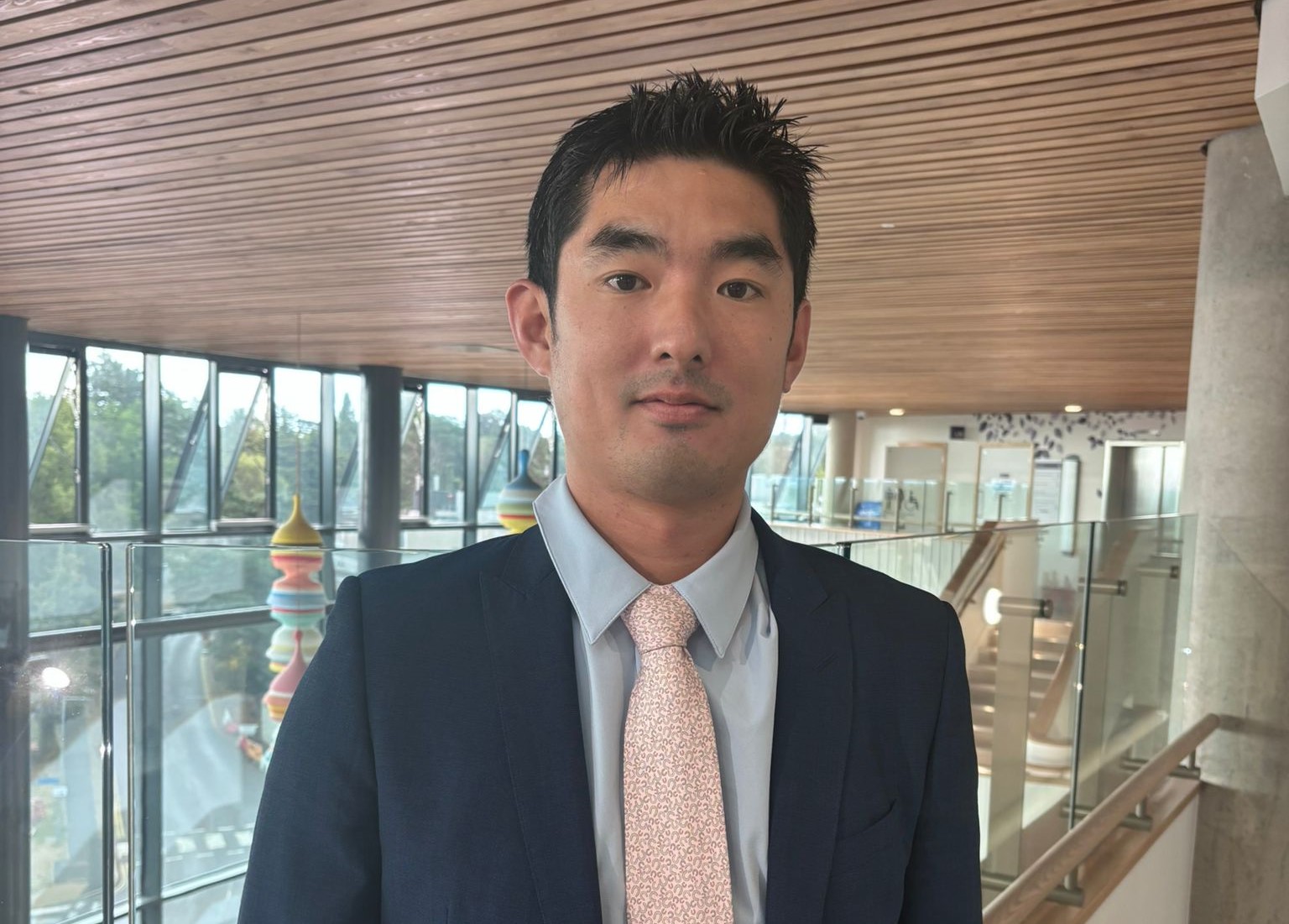
Mr Julian Leong
Private Consultant Orthopaedic Spinal Surgeon.
Clinical Director at RNOH Private Care.
Surgical Tutor
Struggling with chronic pain? A spinal cord stimulator (SCS) could help provide lasting relief. This device works by sending mild electrical signals to the spinal cord to interrupt pain signals before they reach the brain, offering relief without relying on medication.
The SCS procedure usually starts with a trial phase where a temporary stimulator is implanted to see if it effectively reduces pain. If the trial is successful, a permanent device is implanted just under the skin. Patients can adjust the level of stimulation using an external remote to manage their pain as needed.
Spinal cord stimulators improve mobility and quality of life when other treatments haven’t been effective. Our specialist team guides patients through each step, from assessment to post-procedure support, ensuring tailored care throughout the treatment process.
Book a consultationCome meet our consultant team who can help run through your consultation for any procedures relating to spine issues.
Meet our ConsultantsWe have contracts with the majority of insurers to cover the costs of your treatment. Before you attend either an outpatient appointment or being admitted to RNOH Private Care you must get authorisation from your insurer.
You will need to check with them your policy limits or restrictions and whether RNOH Private Care is in their chosen network of hospitals. Please ensure you have all the relevant details regarding your insurance, including your membership or policy number, when having any contact with our team.
Please be aware that you will be responsible for costs not covered by your insurance policy, such as any medication or equipment you are given to go home with. Our team will discuss these with you.
More information for Self Pay patients is available here.
More information for Payment Options is available here.
Royal National Orthopaedic Hospital NHS Trust trading as Royal National Orthopaedic Hospital Private Care is an Appointed Representative of Chrysalis Finance Limited, which is authorised and regulated by the Financial Conduct Authority. Royal National Orthopaedic Hospital NHS Trust is a credit broker, not a lender. The provider of a payment scheme which is not offered through or by Chrysalis Finance Limited may not be so authorised and regulated.
Patients must provide an original signed letter from their sponsor which clearly outlines their acceptance of responsibility for payment of the patient’s account. This must be received and agreed by RNOH Private Care prior to the appointment or admission date.
RNOH Private Care has excellent relationships with embassies. If you are a government sponsored patient your embassy will need to issue a letter of guarantee to cover the cost of your treatment. We must receive this letter before your appointment date to enable treatment to go ahead.
All payments must be made in pounds sterling (£).
Information about our Terms and Conditions is available here.
New patient & referrals
+44 (0)20 8909 5114
Email
rnoh.pcenquiries@nhs.net
All other enquiries
+44 (0)20 3947 0049
People who experience chronic pain will benefit from a spinal cord stimulator. However, as with all treatments, your specialist will need to assess whether this is right for you. This type of treatment is commonly used after nonsurgical pain treatment options have failed to provide sufficient relief. But each patient is different.
If you think you require this type of treatment, please contact us for a consultation.
The journey begins with a consultation to determine if SCS is right for you. A trial phase follows, where a temporary device is implanted to assess effectiveness. If successful, a permanent stimulator is surgically implanted. Your specialist will provide ongoing support to fine-tune the device for optimal pain relief.
SCS can provide long-term relief for chronic pain by:
SCS is generally safe, but potential risks include:
Initial recovery takes 2 to 3 weeks, during which light activities are recommended. Full recovery can take up to 6 weeks, though timelines vary based on individual healing and activity levels. Your doctor will provide personalised guidelines for returning to work and daily tasks.
Yes, but gradually. Driving can usually resume after 2 to 3 weeks (with the device turned off), and light physical activity is encouraged. High-impact movements, such as heavy lifting or twisting, should be avoided for the first few months to prevent lead displacement. Your specialist will guide you on safely resuming exercise and other activities.